DECAF | Brazil Fazenda São José

Znižana cena€16,90 EUR
Teža: 100 g

BTN TEXT

BTN TEXT


Neizmerno uživaš v okusu in ritualu pitja kave, vendar kofein ni tvoj prijatelj? Poskusi brezkofeinsko kavo!

Mnogi ste se na nas obrnili z željo po brezkofeinski kavi. Na srečo smo naši takšno, ki zadovolji naš okus, saj je prijetno čokoladna in oreščkasta, z ravno prav sadnega pookusa. Obenem pa je proces odvzemanja kofeina iz kave povsem naraven.

Procesiranje

Experimental

SCA Ocena

88+

Stopnja praženja

Light

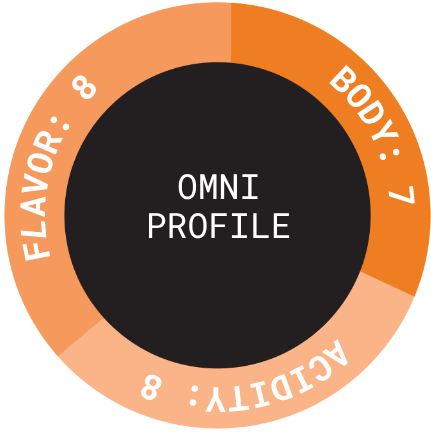
Profil kave

Perfect for: Filter
Also works lovely as: Cold drip, Cold brew, French Press, Aeropress, Espresso, Turkish coffee
Taste notes: Grape, Lemongrass, Basil, Light and Sparkling

Variety: Ombligon
Altitude: 1.700 – 1.800m
Process: *Detailed process below
Quality score: 88+
Light roast

100% Arabica Coffee

Net weight: 100g/250g

Več o tej kavi

Coffee professionals believe Ombligon (the name itself translates to »belly button« because of the variety's unique shape) is (supposedly) related to an Ethiopian heirloom variety but as it has mutated naturally on Colombian soil, it also shares similar traits to other native Colombian coffee varieties. But bottom line is – Ombligon certainly has a very unique flavor profile.

There are not many producers that grow Ombligon. But those who do grow it have been innovating with processing methods as well. Leading the way is Nestor Lasso who has been on the forefront of developing these methods – with amazing results.
Nestor is part of the young generation of coffee producers in Colombia who are shaping the world of specialty coffee with innovative methods in growing and processing coffee. In the Huila region, Nestor runs the El Diviso farm with his brother Adrian and their friend Jhoan Vergara. While self-taught in processing coffee, Nestor and Adrian were taught about traditional agriculture and the proper way of taking care of coffee trees by their father Jose, a seasoned coffee farmer.

Over the last few years Nestor, Adrian and Jhoan have transformed the farm completely with a sole focus: creation of high scoring microlots by using varietal separation and a range of innovative processing methods.
After you will taste this coffee you'll see that they are doing a great job!

PROCESS IN DETAIL:

STEP1:
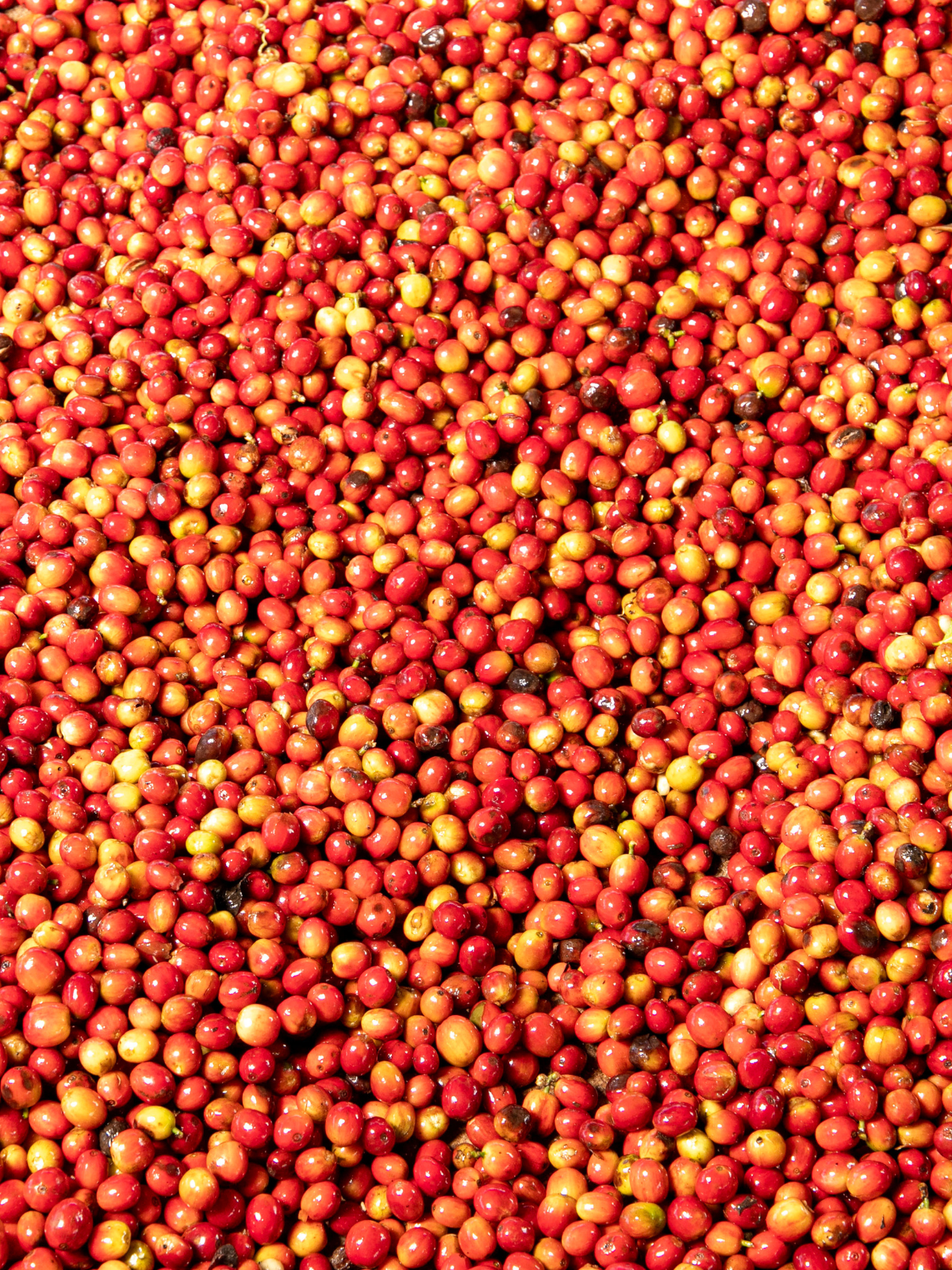
Disinfection and floating of cherries in water, separation of impurities and less dense beans, manual selection of harvested cherries, only ripe beans.

STEP2:
Oxidation for 40 hours in plastic tanks. Anaerobic fermentation in plastic bags or tanks for 40 hours at an average temperature of 17°C to 20°C. Collection of coffee cherry leachates, to be reused in subsequent lots to be fermented.By adding cherry leachates, we continue with submerged fermentation at a temperature of 17°C to 23°C for 28 hours, recirculating the leachates. To finish the fermentation, a thermal shock is carried out at an average temperature of 65–70°C, ending the fermentation process.

STEP3:
Start of drying in stainless steel dehumidifier equipment that allows greater control of the coffee’s moisture loss. This equipment allows us to control variables and replicate drying curves, and being a dark and hermetic room, it allows us to have better quality control, less volatilization of terpenes and aromas inherent to coffee, and no external contamination that could affect the coffee quality.
The maximum drying temperatures do not exceed 37°C until reaching a humidity level of 10% to 11%.

STEP4:
Storage in sack and GrainPro bag.

Navodila za pripravo

---
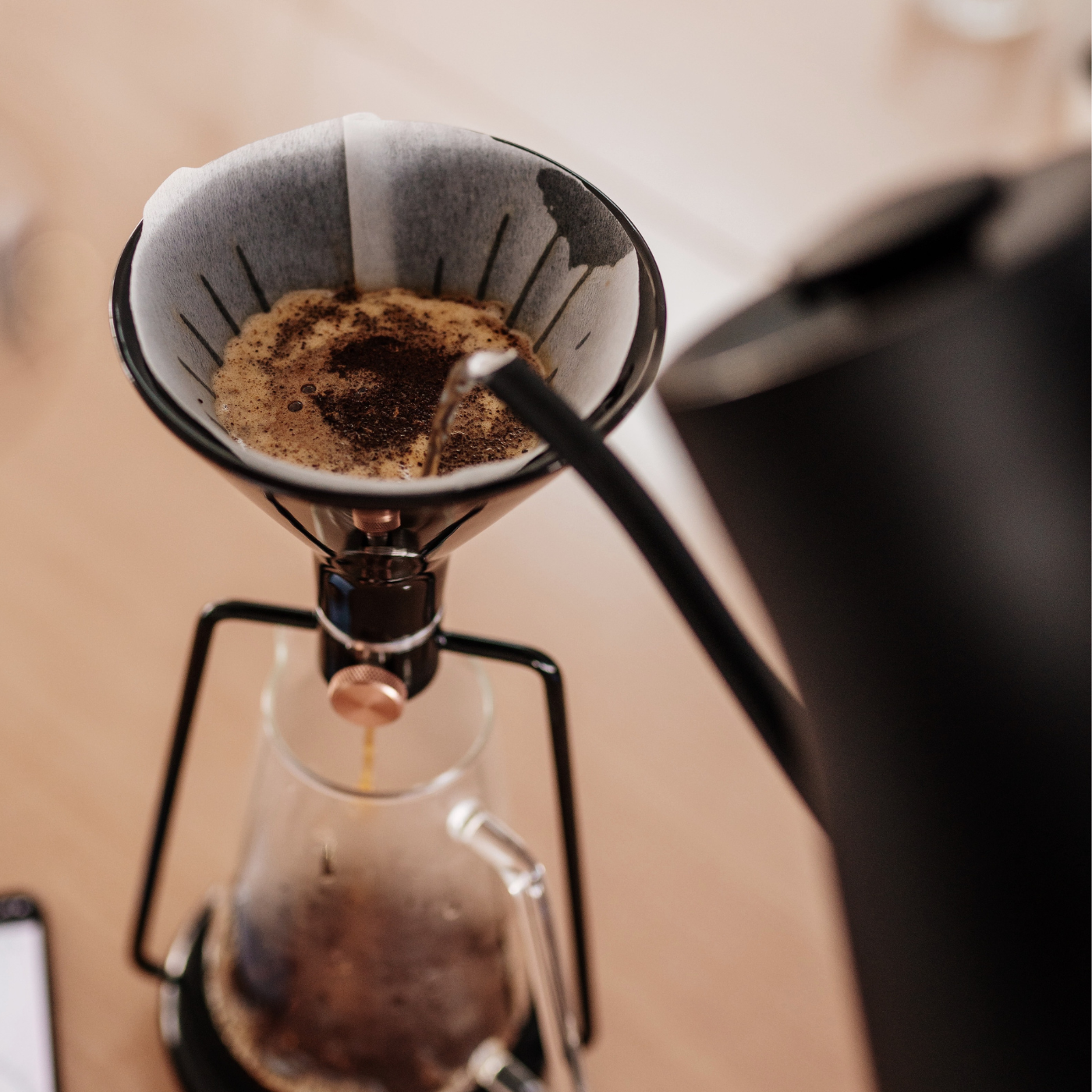
FILTER:

Coffee: 20 g
Water: 340g
(Coffee-to-water ratio 1:17)
Time: 2:30
Water Temperature: 93°C (201°F)
Grind: Medium (appr. 650 μm)

Tips for Filter coffee:
- Finer grind = longer brew time, fuller and more intense flavor.
- Coarser grind = shorter brew time, lighter and more delicate flavor.

- Lower coffee-to-water ratio (more coffee, less water) = fuller and more intense flavor.
- Higher coffee-to-water ratio (less coffee, more water) = more delicate and balanced flavor.

- Higher temperature (93–95°C) = more sweetness, more body.
- Lower temperature (90–91°C) = less bitterness, more acidity. 

---
COLD BREW:

Coffee: 50 g
Water: 600g
(Coffee-to-water ratio 1:12)
Time: 8-12h (room temperature) or 18-24h (refrigerated)
Grind: Coarse (1000 - 1400 μm)

For cold brew concentrate use 1:7 coffee-to-water ratio.

Profil kave

Perfect for: Filter
Also works lovely as: Cold drip, Cold brew, French Press, Aeropress, Espresso, Turkish coffee
Taste notes: Grape, Lemongrass, Basil, Light and Sparkling

Variety: Ombligon
Altitude: 1.700 – 1.800m
Process: *Detailed process below
Quality score: 88+
Light roast

100% Arabica Coffee

Net weight: 100g/250g

Več o tej kavi

Coffee professionals believe Ombligon (the name itself translates to »belly button« because of the variety's unique shape) is (supposedly) related to an Ethiopian heirloom variety but as it has mutated naturally on Colombian soil, it also shares similar traits to other native Colombian coffee varieties. But bottom line is – Ombligon certainly has a very unique flavor profile.

There are not many producers that grow Ombligon. But those who do grow it have been innovating with processing methods as well. Leading the way is Nestor Lasso who has been on the forefront of developing these methods – with amazing results.
Nestor is part of the young generation of coffee producers in Colombia who are shaping the world of specialty coffee with innovative methods in growing and processing coffee. In the Huila region, Nestor runs the El Diviso farm with his brother Adrian and their friend Jhoan Vergara. While self-taught in processing coffee, Nestor and Adrian were taught about traditional agriculture and the proper way of taking care of coffee trees by their father Jose, a seasoned coffee farmer.

Over the last few years Nestor, Adrian and Jhoan have transformed the farm completely with a sole focus: creation of high scoring microlots by using varietal separation and a range of innovative processing methods.
After you will taste this coffee you'll see that they are doing a great job!

PROCESS IN DETAIL:

STEP1:
Disinfection and floating of cherries in water, separation of impurities and less dense beans, manual selection of harvested cherries, only ripe beans.

STEP2:
Oxidation for 40 hours in plastic tanks. Anaerobic fermentation in plastic bags or tanks for 40 hours at an average temperature of 17°C to 20°C. Collection of coffee cherry leachates, to be reused in subsequent lots to be fermented.By adding cherry leachates, we continue with submerged fermentation at a temperature of 17°C to 23°C for 28 hours, recirculating the leachates. To finish the fermentation, a thermal shock is carried out at an average temperature of 65–70°C, ending the fermentation process.

STEP3:
Start of drying in stainless steel dehumidifier equipment that allows greater control of the coffee’s moisture loss. This equipment allows us to control variables and replicate drying curves, and being a dark and hermetic room, it allows us to have better quality control, less volatilization of terpenes and aromas inherent to coffee, and no external contamination that could affect the coffee quality.
The maximum drying temperatures do not exceed 37°C until reaching a humidity level of 10% to 11%.

STEP4:
Storage in sack and GrainPro bag.

Navodila za pripravo

---
FILTER:

Coffee: 20 g
Water: 340g
(Coffee-to-water ratio 1:17)
Time: 2:30
Water Temperature: 93°C (201°F)
Grind: Medium (appr. 650 μm)

Tips for Filter coffee:
- Finer grind = longer brew time, fuller and more intense flavor.
- Coarser grind = shorter brew time, lighter and more delicate flavor.

- Lower coffee-to-water ratio (more coffee, less water) = fuller and more intense flavor.
- Higher coffee-to-water ratio (less coffee, more water) = more delicate and balanced flavor.

- Higher temperature (93–95°C) = more sweetness, more body.
- Lower temperature (90–91°C) = less bitterness, more acidity. 

---
COLD BREW:

Coffee: 50 g
Water: 600g
(Coffee-to-water ratio 1:12)
Time: 8-12h (room temperature) or 18-24h (refrigerated)
Grind: Coarse (1000 - 1400 μm)

For cold brew concentrate use 1:7 coffee-to-water ratio.