Colombia Nestor Lasso | Ombligon | Roast Date 15 Sep

Sale price€8,45 EUR Regular price€16,90 EUR
Sold outSave 50%
Size: 100g

BTN TEXT

BTN TEXT

Tastes like
Grape, lemongrass and basil. Light and sparkling.
Perfect for
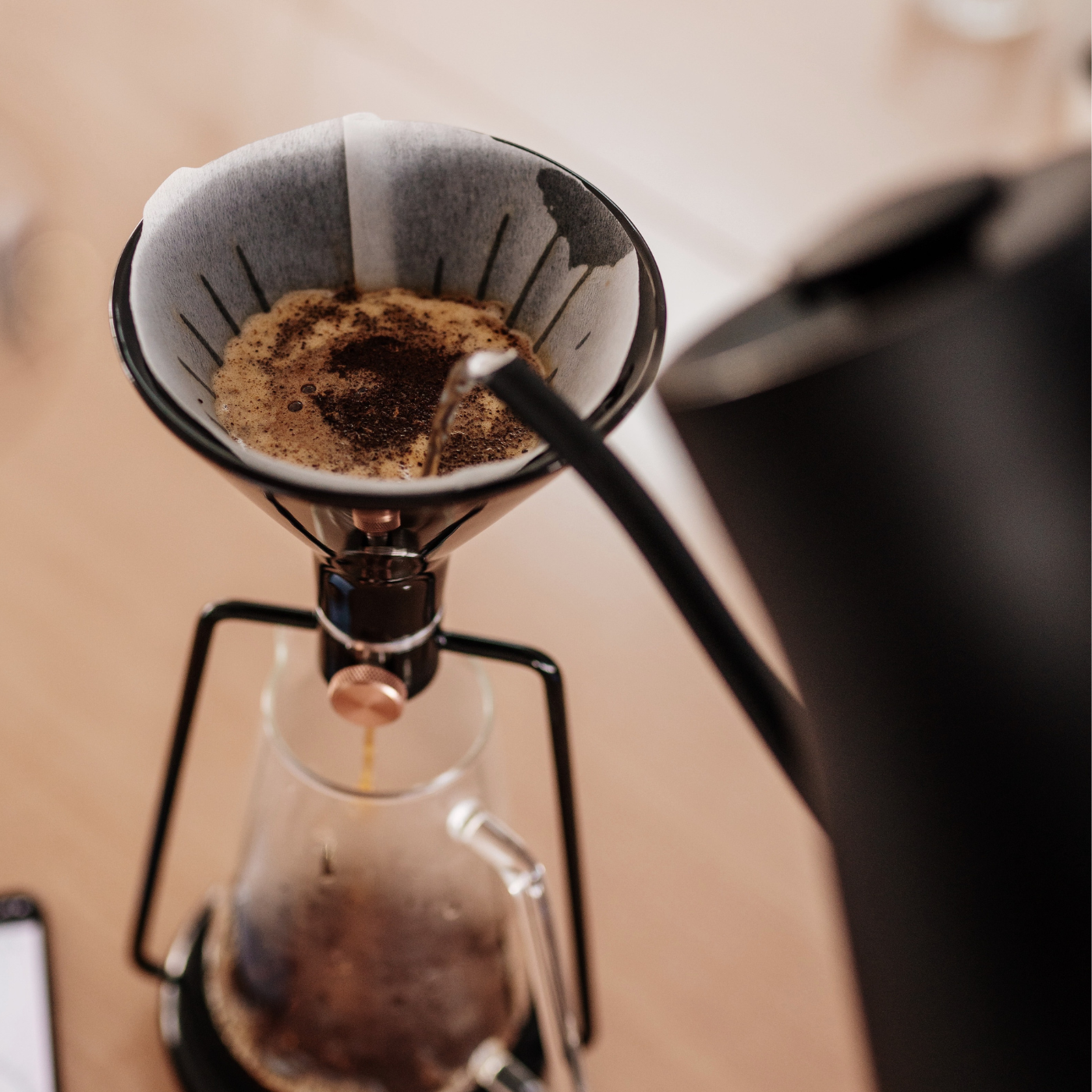
Filter. Also great as cold drip, cold brew, AeroPress or espresso.
Good to know
Our coffee of the year. Light roast, experimental fermentation, 88+ points.
Coffee every month? Get freshly roasted coffee on a subscription. Subscribe →
  • Free shipping over €50 · ships in 1–3 business days
  • 14-day returns

GOAT STORY's coffee of the year

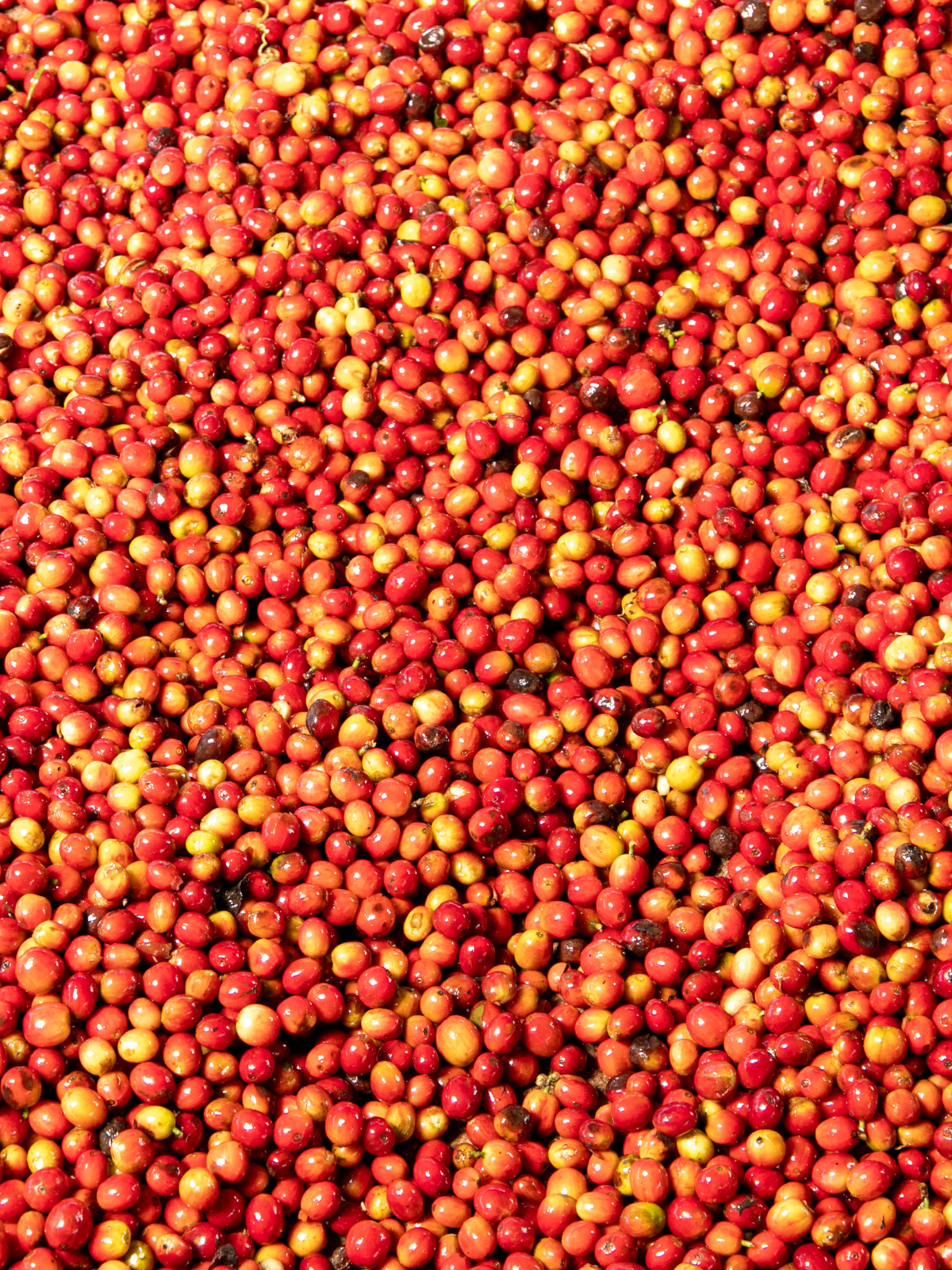
This coffee comes from El Diviso farm in Huila, Colombia. Three young farmers run it: Nestor Lasso, his brother Adrian and their friend Jhoan Vergara. They grow Ombligon, a rare variety. The name means "belly button", because of the bean's shape. They process it in a new way, in many steps. Most roasters have never even heard of it. That's why it is our Coffee of the Year. One sip and you'll see why.

What it tastes like: Grape, lemongrass and basil. It feels light and lively. Fruity and a little herby. Bright but full. Nothing like a normal Colombian coffee.

Why we love it: Almost nobody grows Ombligon. Even fewer process it like this. First the cherries are left in the air. Then they ferment without air, in their own juices. At the end, a quick hot-then-cold bath locks the flavor in. It gives tastes you don't expect from Colombia. These young farmers are changing what one farm can do.

Best way to drink it: As filter coffee, especially pour-over, so the grape and lemongrass can open up. As espresso, it is super strong in flavor. Our secret tip: cold drip or cold brew.

PROCESS

Experimental

CUPPING SCORE

88+

ROAST LEVEL

Light

Profile

Perfect for: Filter
Also works lovely as: Cold drip, Cold brew, French Press, Aeropress, Espresso, Turkish coffee
Taste notes: Grape, Lemongrass, Basil, Light and Sparkling

Variety: Ombligon
Altitude: 1.700 – 1.800m
Process: *Detailed process below
Quality score: 88+
Light roast

100% Arabica Coffee

Net weight: 100g/250g

More about this coffee

Ombligon means "belly button". The name comes from the bean's special shape. Coffee experts think Ombligon may be related to an old Ethiopian variety. But it changed naturally over time in Colombia. So it also shares traits with other Colombian varieties. One thing is sure: Ombligon tastes like nothing else.

Not many farmers grow Ombligon. But the ones who do also try new ways to process it. Nestor Lasso leads the way, with amazing results.

Nestor is one of the young coffee farmers in Colombia who are changing specialty coffee with new ideas. He runs El Diviso farm in Huila with his brother Adrian and their friend Jhoan Vergara. Nestor and Adrian taught themselves how to process coffee. Their father Jose, a farmer with many years of experience, taught them how to farm and care for coffee trees.

In the last few years, the three of them changed the farm completely. They have one goal: to make small, top-scoring lots. They keep each variety separate and use many new processing methods.

Taste this coffee, and you'll see they are doing a great job!

PROCESS IN DETAIL:

STEP 1:
The cherries are cleaned and put in water. Bad or light beans float, and they are removed. Then the cherries are sorted by hand. Only ripe ones are kept.

STEP 2:
The cherries rest in the air in plastic tanks for 40 hours. Then they ferment without air, in plastic bags or tanks, for 40 hours at 17–20°C. The juice from the cherries is collected and saved for later lots. Next, the coffee ferments under water with that cherry juice, at 17–23°C for 28 hours. The juice is pumped around the whole time. To end the fermentation, the coffee gets a thermal shock: a quick bath at 65–70°C.

STEP 3:
The beans dry in a steel drying machine. It controls how fast the beans lose water, and the farmers can repeat the same drying every time. The room is dark and sealed. So the coffee keeps more of its aroma, and nothing from outside can spoil it. The heat never goes above 37°C. Drying stops when the beans have 10–11% water left.

STEP 4:
The coffee is stored in sacks with GrainPro bags inside.

Brew Guide

---
FILTER:

Coffee: 20 g
Water: 340g
(Coffee-to-water ratio 1:17)
Time: 2:30
Water Temperature: 93°C (201°F)
Grind: Medium (appr. 650 μm)

Tips for Filter coffee:
- Finer grind = longer brew time, fuller and more intense flavor.
- Coarser grind = shorter brew time, lighter and more delicate flavor.

- Lower coffee-to-water ratio (more coffee, less water) = fuller and more intense flavor.
- Higher coffee-to-water ratio (less coffee, more water) = more delicate and balanced flavor.

- Higher temperature (93–95°C) = more sweetness, more body.
- Lower temperature (90–91°C) = less bitterness, more acidity. 

---
COLD BREW:

Coffee: 50 g
Water: 600g
(Coffee-to-water ratio 1:12)
Time: 8-12h (room temperature) or 18-24h (refrigerated)
Grind: Coarse (1000 - 1400 μm)

For cold brew concentrate use 1:7 coffee-to-water ratio.